Sponsored Content · Advertorial
You Expected Sharp Mornings. Instead, Honey Entered the Conversation About Aging Minds.
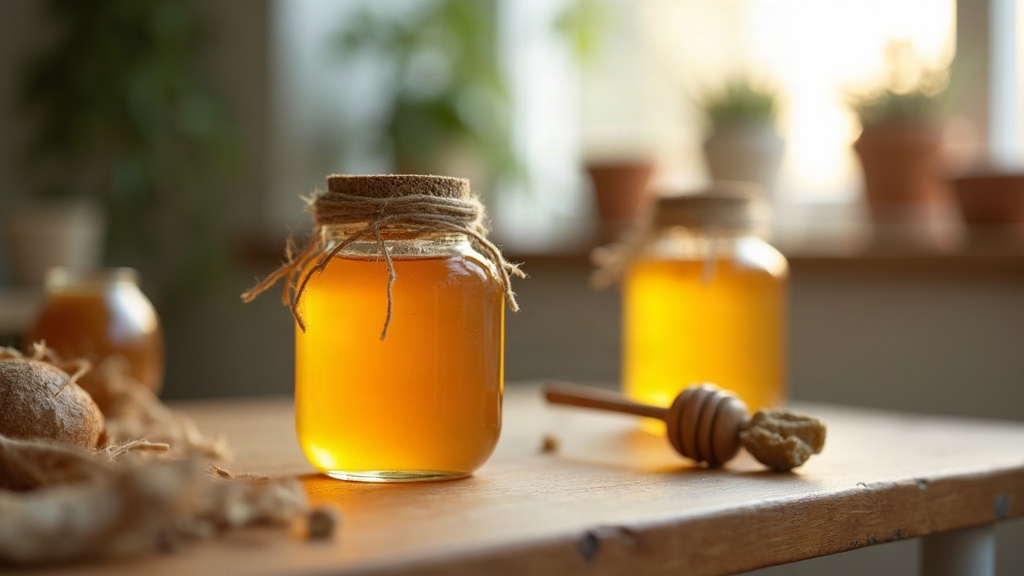
Nobody warns you that memory shifts quietly after 50. Somewhere in that shift, honey — an old kitchen staple — started getting a second look.
Why Memory Shifts After 50
Short sentences. Real talk. Here’s what actually happens.
Cellular Slowdown
Cells don't work like they did at 30. That's biology, not failure. Honey has quietly been part of how some cultures approached this natural slowdown.
Time Takes A Toll
Decades of stress, screens, and short sleep add up. The brain notices.
Sleep Changes First
Deep sleep gets shorter with age. Memory consolidation happens there.
Energy Dips Matter
Low energy in the body often shows up as fog in the mind.
Myths vs Facts About Aging Memory
Let’s clear some things up before you keep reading.
Memory loss after 50 means something is wrong with you.
Gradual change is common. It doesn’t mean decline is inevitable or permanent.
Only medication can support an aging brain.
Diet, sleep, and daily habits — including traditional foods like honey — have long played a role in how people approach brain health.
If you forget a name, dementia is coming.
Occasional forgetfulness is normal aging. Talk to a professional if you have real concerns.
A Simple Way To Think About It
Three steps. Nothing complicated.
Notice The Pattern
Pay attention to when fog shows up — mornings, afternoons, after poor sleep.
Look At Daily Habits
Sleep, hydration, movement, and food choices all play a role.
Learn About Traditional Ingredients
Honey has a long history in traditional wellness practices worldwide — worth understanding, not worshipping.
Where This Idea Comes From
Long before modern research, honey sat in kitchens across cultures — used daily, passed down through generations. Old texts from various traditions mention it alongside herbs and daily routines. Interest in revisiting these traditional ingredients has grown alongside modern curiosity about aging and cognition.
Insight: Tradition doesn’t equal proof. But it does explain why something this old keeps showing up in new conversations.
Signs Worth Paying Attention To
Losing Track Mid-Sentence
Losing your train of thought more often than before.
Misplacing Everyday Items
Keys, glasses, phone — gone more frequently.
Struggling With New Names
New names slipping faster than they used to.
Feeling Mentally Tired By Noon
Mental fatigue showing up earlier in the day.
Losing The Thread In Conversations
Following group conversations feels harder.
Repeating Questions Unintentionally
Asking the same question without realizing it.
What People Are Saying

Testimonials reflect individual experiences and opinions. Results vary. These statements have not been evaluated by any regulatory body and are not intended to diagnose, treat, cure, or prevent any disease.
Frequently Asked Questions
No. Nothing here diagnoses, treats, cures, or prevents any disease. This is educational content only.
No. Honey is a traditional food ingredient. Any wellness use should be discussed with a healthcare professional.
Adults 50 and older curious about general habits related to memory and daily routines.
Never stop or change medication without consulting your doctor first.
No. This content is educational and not a substitute for professional medical advice.
Multiple factors — sleep, stress, biology — all play a role. It’s a normal part of aging for most people.
Watch the full video for more context, and always consult a healthcare professional for personal guidance.
Curious About The Full Story?
Watch the complete video and see what the conversation around honey and aging minds is really about.
Advertising Disclosure: This page contains sponsored content and affiliate links. We may receive compensation if you make a purchase through links on this page. This helps support the content we provide at no additional cost to you.
Content Disclaimer: This content is for educational purposes only and has not been evaluated by the Food and Drug Administration. It is not intended to diagnose, treat, cure, or prevent any disease. Always consult a qualified healthcare professional before making changes to your health routine.
Results Disclaimer: Individual results vary. Testimonials shared on this page reflect personal experiences and opinions and are not a guarantee of any specific outcome.
© 2026 · All Rights Reserved · /contact/